
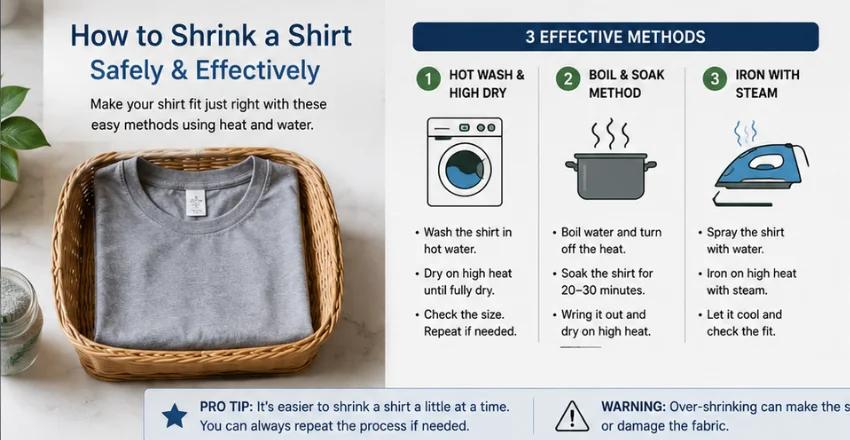
An oversized tee can sometimes be made smaller at home, but the right method depends on its fabric, finish, and care instructions.
Short answer: The safest way to learn how to shrink a shirt is to check the care label first, measure the current fit, then add controlled heat through washing and drying. Cotton responds most readily. Synthetic fibers resist size changes. Start with moderate heat and inspect the garment before using a hotter or longer cycle.
| What to check | Practical guidance |
|---|---|
| Best fabric candidate | 100% cotton |
| Harder to reduce | Polyester and synthetic-heavy blends |
| First step | Read the care and fiber-content labels |
| Main shrinking factors | Heat, moisture, and agitation |
| Safest approach | Increase heat gradually and check the fit |
| Major size change needed | Consider tailoring instead |
In the United States, clothing manufacturers and importers must provide regular care instructions for covered garments. Treat those directions as your safety limit. A cold-wash, low-dry, or dry-clean-only warning exists because harsher treatment may damage the item.
For more everyday clothing and styling ideas, browse Styleliza’s fashion guides.
What You’ll Need
Keep the setup simple. You need a washer or basin, a dryer if the label permits machine drying, regular detergent, and a measuring tape. Take chest width and length measurements before you start. Those numbers give you a better reference than judging the fit while the fabric is still warm.
How to Shrink a Shirt in 5 Controlled Steps
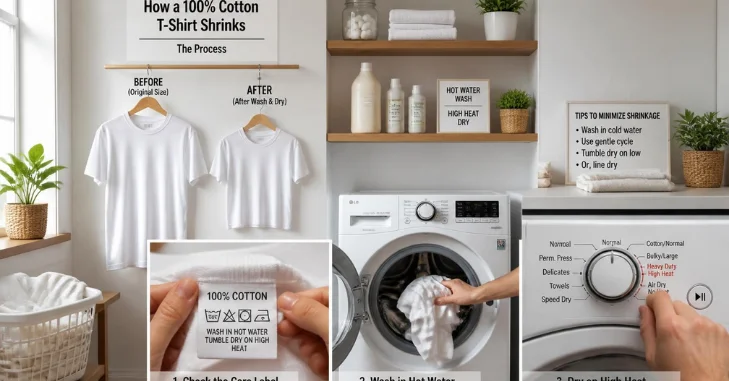
- Read the care and fiber labels. Check the fabric percentage and washing directions before adding heat. Cotton and other natural fibers are more responsive than polyester. If the label warns against hot water or machine drying, don’t override that warning.
- Measure the garment before washing. Lay it flat without stretching it. Measure from armpit to armpit and from the shoulder to the hem. Write the measurements down so you can tell whether the first cycle changed the fit enough.
- Wash at the hottest temperature the label safely allows. Heat, water, and agitation can cause cotton fibers to contract. Whirlpool notes that hot water and stronger agitation increase the chance of cotton shrinkage. A warm cycle may be enough when you only want a small adjustment.
- Dry with controlled heat and check the progress. If machine drying is permitted, start with medium heat unless you need a stronger result. Inspect the item during the cycle rather than leaving it unattended at maximum heat. Higher dryer temperatures increase the risk of shrinkage and may also stress fabric, color, or decoration.
- Let it cool before judging the fit. Remove the top once it reaches the desired size. Let it cool and try it on before repeating the process. A second cycle may yield a slight further reduction, but repeated high heat becomes harder on the fabric.
This gradual method gives you more control than starting with boiling water or maximum dryer heat.
Choose the Method Based on the Fabric
Different fibers don’t react to heat in the same way.
| Fabric | Shrink potential | Better approach | Main risk |
|---|---|---|---|
| 100% cotton | Moderate to high | Warm or hot wash, then controlled dryer heat | Excess shrinkage or fading |
| Preshrunk cotton | Low to moderate | One controlled wash-and-dry cycle | Limited further change |
| Cotton-polyester blend | Low to moderate | Follow the label and increase heat cautiously | Uneven results |
| Linen | Moderate | Use only label-approved heat | Wrinkling or distortion |
| Polyester | Low and unpredictable | Avoid extreme heat | Warping or permanent heat damage |
| Wool or delicate fibers | High risk | Follow care instructions or use professional alteration | Felting, distortion, damage |
Cotton is the easiest common fabric to shrink because heat, moisture, and agitation affect its natural fibers. The exact amount varies with construction, finishing, and whether the material was preshrunk. Polyester is different. It is designed to hold its dimensions through normal laundering. Extreme temperatures may distort polyester rather than produce a neat, even size reduction.
How Much Shrinkage Can You Expect?
Think in terms of a small fit correction rather than a complete size conversion. Untreated cotton can respond noticeably to heat, while preshrunk cotton usually has less room to change. Fabric construction, manufacturing treatments, wash temperature, and drying conditions all affect the result.
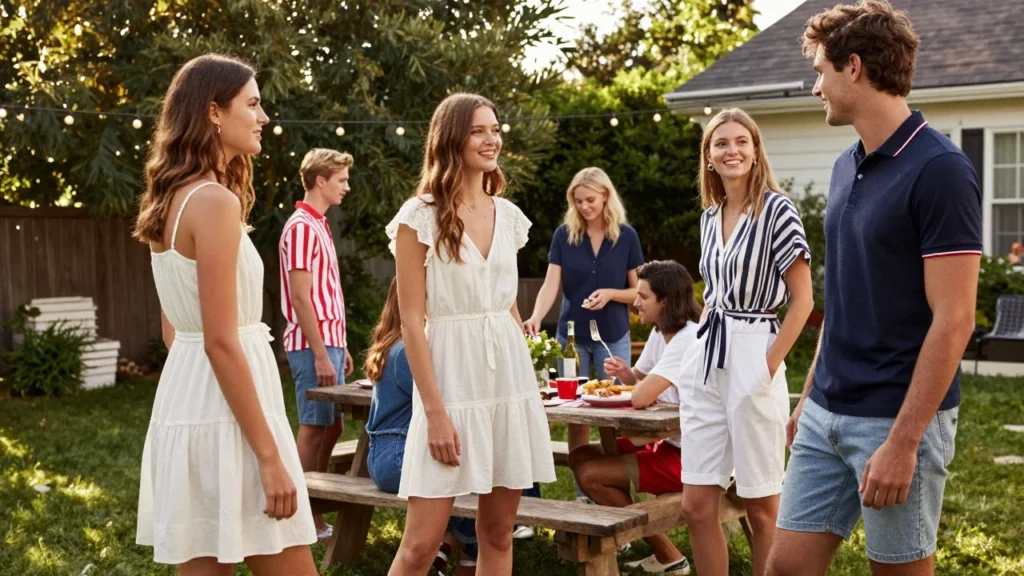
If an XL top needs to fit like a medium, home laundering isn’t a dependable solution. Tailoring gives you more control over chest width, sleeve shape, and hem length. That matters for style as much as laundry care. Styleliza’s 4th of July outfit guide shows how simple cotton, linen, and denim basics work best when their fit matches the activity and outfit.
Protecting a Graphic Tee While Shrinking It
Printed clothing requires a gentler approach because heat and friction can distort the design before the fabric reaches your preferred size. Turn the tee inside out before washing. Avoid bleach and harsh treatments. Use moderate dryer heat and inspect it more often than you would a plain cotton item.
Never put a hot iron directly against a printed graphic. If you need to treat a small area, use the temperature recommended for the fabric and keep direct heat away from the artwork. A valuable vintage or specialty-print piece is a poor candidate for aggressive home shrinking. Alteration may cost more, but it removes much of the guesswork.
How to Shrink a Shirt Without a Dryer
You can try a dryer-free method if the fabric responds well to warm or hot water. Wash or soak the garment at the hottest temperature permitted by its care label. Remove excess water without twisting delicate fabric, reshape it, and let it air-dry.
Expect a subtler change than you would get from heated tumble drying. Current laundry guidance notes that natural fibers can respond to hot water alone, while dryer heat adds another shrinking factor.
When You Should Stop Trying to Make It Smaller
Stop if the fabric starts twisting, the side seams rotate, the graphic changes texture, or the color begins to fade. You should also skip aggressive heat when the item is dry-clean-only, delicate, heavily decorated, valuable, or mostly synthetic. The same applies when you need an exact reduction in only the waist, sleeves, or shoulders.
A tailor can remove fabric where it is needed. Laundry heat cannot guarantee which direction will contract most.
Get the Fit Right, Then Style It
Start with the label, use the lowest heat setting that produces the change you need, and check the fit after each cycle. A controlled adjustment is easier to manage than trying to undo an over-shrunk garment. Once your casual basics fit the way you want, Styleliza’s green sneaker styling guide has outfit ideas for pairing tees, denim, trousers, and other everyday pieces.
Frequently Asked Questions
Start conservatively. Identify the fiber content if another label remains, then use warm water and moderate drying heat. Stop after the first cycle and check the result. If the fabric looks delicate, vintage, or synthetic-heavy, professional alteration is safer than experimenting with hotter temperatures.
Yes, sometimes, but the change is usually more limited. Preshrinking during manufacturing reduces later dimensional changes rather than guaranteeing that the fabric can never contract again.
Sometimes, but it isn’t guaranteed. Untreated cotton usually responds more than preshrunk material. Construction and finishing also matter, so two cotton garments can react differently under the same settings.
Pure polyester resists normal shrinkage. Extreme heat may create some dimensional change, but it can also produce uneven distortion. If fit matters more than experimentation, alteration is usually the safer option.
You may be able to recover part of the lost cotton size. Whirlpool recommends soaking the item in lukewarm water with conditioner, removing excess water, then gently stretching and reshaping it while it dries. Full recovery isn’t guaranteed.