
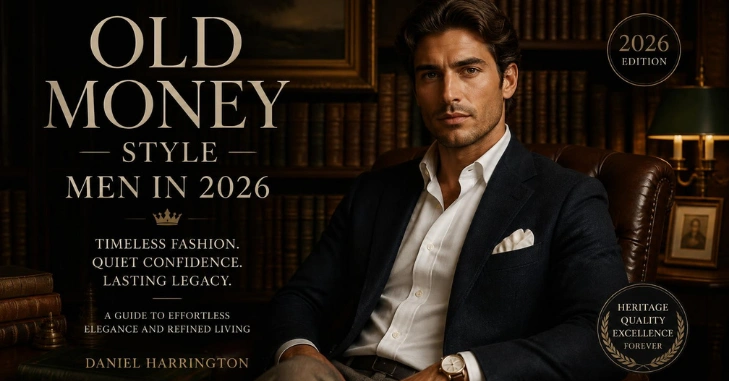
Old money-style men can wear it well in the U.S.; it is less about expensive labels and more about restraint. Focus on clean tailoring, muted colors, natural-looking fabrics, polished shoes, and clothes that work across years. Start with a navy blazer, Oxford shirt, straight chinos, knit polo, fine-gauge sweater, and brown loafers, then build slowly. For a closer look at this, see Old Money vs New Money Fashion.
| Element | Practical starting point | Skip at first. |
| Colors | Navy, cream, white, camel, gray, olive | Neon shades and busy prints |
| Shirts | White or pale-blue Oxford, knit polo | Oversized graphics |
| Trousers | Straight chinos, pleated wool trousers | Extreme skinny or baggy cuts |
| Layers | Navy blazer, crewneck knit, simple coat | Logo-heavy jackets |
| Shoes | Penny loafers, derbies, clean tennis sneakers | Bulky athletic shoes |
| Fabrics | Cotton, linen, wool, merino, suede | Shiny synthetic-looking finishes |
| Accessories | Leather belt, understated watch | Stacked statement jewelry |
| Fit | Relaxed but shaped | Skin-tight or deliberately oversized |
What Old Money-Style Men Actually Get Right
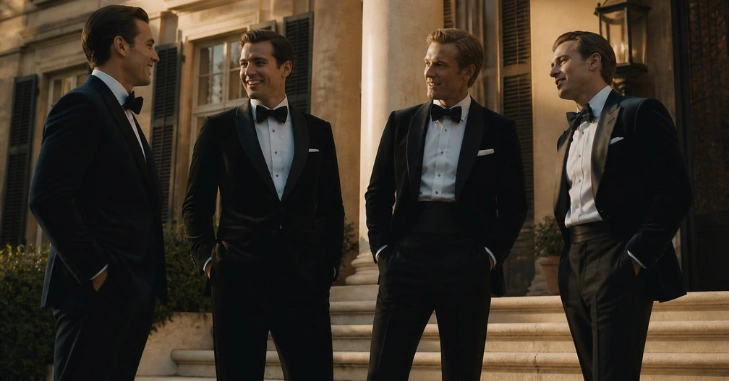
The strongest version of old money-style men can wear borrows from classic menswear without turning you into a character. A navy blazer, pressed trousers, a soft knit, and leather loafers work because each piece is familiar. Nothing needs a large logo to explain its value.
Fit matters more than the brand name. So do fabric texture, clean shoes, and basic garment care. A modest cotton Oxford that fits your shoulders will usually look more convincing than an expensive shirt with the wrong proportions.
The aesthetic overlaps with American Ivy and preppy dressing, yet it tends to remove the louder collegiate cues. It also overlaps with quiet luxury, though quiet luxury tends to look more modern and minimalist. Current menswear guides make the same broad distinction between heritage-inspired dressing and newer minimalist luxury.
Old Money vs. Quiet Luxury vs. Preppy Style
These styles share plenty of clothes, but the mood is different. Knowing the difference helps you avoid buying pieces that don’t suit the look you want.
| Style | Main character | Common pieces | Typical colors |
| Heritage-inspired look | Traditional, polished, relaxed | Blazers, loafers, knit polos, chinos | Navy, cream, camel, olive |
| Quiet luxury menswear | Minimal and modern | Fine knits, relaxed tailoring, clean coats | Taupe, gray, black, cream |
| Preppy style | Sportier and more collegiate | Oxford shirts, rugby shirts, chinos, boat shoes | Navy, white, green, and brighter accents |
You don’t need to choose one category and stay there. A quiet wool coat can work over a preppy Oxford shirt and classic trousers. The result feels natural when the colors and proportions agree.
Build Your Old Money Wardrobe in This Order
Buying everything at once often creates a costume. Build around useful basics first, then add character through texture and accessories.
- Start with a white or pale-blue Oxford shirt. Wear it tucked into trousers, open over a T-shirt, or under knitwear.
- Add straight chinos or pleated trousers. Stone, khaki, gray, and navy give you the most combinations.
- Choose a knit polo. It feels more polished than a T-shirt without becoming formal.
- Buy a navy blazer. Look for a softer shoulder and enough room to layer a shirt or thin sweater.
- Add a crewneck or cable-knit sweater. Cream, gray, camel, or navy will work across several outfits.
- Get one dependable leather shoe. A brown penny loafer is the easiest starting point for most wardrobes.
- Add seasonal outerwear. Try a lightweight Harrington-style jacket for mild weather or a wool coat for winter.
- Finish with restrained accessories. A leather belt, a simple watch, sunglasses, and one good bag are enough.
This order also keeps your spending focused. Each new item should create at least two or three outfits with clothes you already own.
Use a One-Minute Fit Check.
“Tailored” doesn’t mean tight. You want enough shape to look intentional and enough room to move without pulling.
Run through these checks before buying:
- The shoulder seam should sit close to your natural shoulder.
- Shirt buttons shouldn’t pull across your chest.
- Trousers should fall cleanly rather than cling through the thigh.
- A blazer shouldn’t form a strong X-shaped pull when buttoned.
- Sleeves and trouser hems should look deliberate rather than pooled with excess fabric.
- You should be able to sit, reach, and walk comfortably.
Small alterations can matter more than another shopping trip. Hemming trousers or adjusting sleeves may make an ordinary piece look far more considered.
Keep the Color Palette Small
A limited palette makes the old-money aesthetic for men easier to replicate. Start with navy, white, cream, stone, camel, gray, olive, and dark brown. Burgundy can work as a restrained accent.
Tonal dressing is especially useful because it makes inexpensive basics look coordinated. Styleliza’s monochrome outfit guide shows how one-color dressing can still incorporate different shades and textures without looking flat.
Earthier wardrobes can also borrow from Styleliza’s Deep Autumn color palette guide. Olive, camel, chocolate brown, and deep red are easy additions when beige and navy start feeling repetitive.
Choose Fabrics for Your Climate, Not for a Costume
Natural-looking texture adds depth to classic clothes, but you don’t need to reject every blend. Choose fabrics that suit the weather, your budget, and how often you’ll wear the piece.
For hot U.S. summers, cotton, linen, lightweight wool, and breathable knit polos make more sense than thick tailoring. In colder regions, merino, lambswool, flannel, corduroy, suede, and heavier coats add warmth without changing the basic formula.
Texture matters because this look uses relatively few colors. A cream cable-knit, brushed-wool trousers, suede loafer, and smooth Oxford shirt can all sit in the same neutral palette while still looking distinct.
Five Easy Outfit Formulas for U.S. Men
You don’t need a country club, yacht, or European vacation to make these clothes useful. The best old-money outfits for men should fit into ordinary American routines.
1. Warm-weather weekend
Wear a cream knit polo with stone or tobacco linen-blend trousers. Finish with brown loafers or clean leather tennis sneakers.
2. Business-casual office
Pair a pale-blue Oxford shirt with gray trousers and a navy blazer. Brown loafers or derbies keep the outfit polished without making it feel ceremonial.
3. Fall weekend
Try a white Oxford under a camel or navy crewneck sweater. Add olive chinos and dark-brown suede loafers.
4. Dinner or date night
Use charcoal trousers, a dark knit polo, and a soft navy jacket. Keep the belt and shoes close in color for a cleaner finish.
5. Cold-weather city outfit
Layer a fine-gauge sweater over an Oxford shirt. Add wool trousers, leather shoes, and a simple knee-length coat in navy, charcoal, or camel.
Shoes change the mood faster than most pieces. Penny loafers are the safest classic choice, but a heavier loafer can work with wider trousers. Styleliza’s chunky loafer styling guide explains how to balance a stronger shoe shape with the rest of an outfit.
How to Build the Look on a Budget
You don’t need a luxury budget because the visual language comes from proportion, coordination, and condition. Start by auditing your closet before buying anything. A white shirt, navy sweater, khaki trousers, brown belt, and clean leather shoes may already cover half the formula. Add the missing pieces one at a time.
Thrift and resale stores can also be useful for wool jackets, coats, leather belts, and knitwear. Check the condition before the label. Moth damage, stretched collars, cracked leather, and poor fit can erase any savings.
The biggest budget mistake is buying a full “aesthetic” at once. Head-to-toe beige, brand-new loafers, a blazer, a watch, sunglasses, and a sweater draped over the shoulders can look more like a costume than personal style.
Instead, aim for three things:
- Fit first: alter what is close rather than replacing it automatically.
- Shoes second: keep them clean, conditioned, and appropriate for the trouser shape.
- Layering: a blazer, knit, or coat changes more outfits than another accessory.
Common Mistakes That Make the Look Feel Forced
The first mistake is treating logos as proof of quality. A plain item with good proportions usually fits this aesthetic better than a recognizable designer piece covered in branding. The second is making every outfit formal. Jeans, sneakers, polos, and casual jackets can still work when their shapes and colors stay clean.
The third is copying social media styling without considering your life. A linen suit might look perfect in a coastal photo but make little sense for your office commute in Chicago. We cover this in more depth in Cute Backpacks.
Finally, don’t ignore grooming and garment care. Wrinkled shirts, dirty suede, scuffed leather, and lint-covered wool break the polished effect faster than a missing designer label.
Build One Outfit Before You Buy Anything Else
Pick one formula from this guide and recreate it with what you already own. Photograph the outfit, check the fit, then decide which single missing piece would improve the most combinations.
That approach creates a wardrobe instead of a collection of trend purchases. For more ideas on color, footwear, seasonal outfits, and everyday styling, browse Styleliza’s Fashion section and build from pieces that suit your own routine.
Conclusion
The best old-money-style men can wear in 2026 is not about pretending to belong to a particular social class or filling your wardrobe with expensive labels. It is about building a refined, practical collection of clothes that look good because they fit well, coordinate easily, and are properly maintained.
Start with dependable pieces such as a navy blazer, white or pale-blue Oxford shirt, straight chinos, pleated trousers, knit polo, fine-gauge sweater, and brown leather loafers. These staples can move between work, weekends, dinners, travel, and everyday occasions without feeling overly formal.
Color and proportion should do most of the work. Navy, cream, gray, camel, olive, white, and brown create an easy foundation, while relaxed-but-shaped fits keep the outfits contemporary. Natural-looking fabrics such as cotton, linen, wool, merino, and suede can add texture without requiring obvious branding.
Frequently Asked Questions
No. The look depends more on fit, restraint, coordination, and the condition of the garment than on price. Start with versatile basics, alter pieces that are close to fitting, and spend more only on items that will receive regular wear.
Searches for old-money-style men usually point to understated, heritage-inspired menswear. Think Oxford shirts, knit polos, straight trousers, loafers, blazers, simple coats, muted colors, and minimal visible branding.
Yes, when they are clean and visually simple. Low-profile leather or canvas tennis sneakers work best with chinos, straight trousers, polos, and lightweight knits. Bright running shoes create a different mood.
Start with navy, white, cream, gray, stone, camel, and dark brown. Add olive or burgundy after the core wardrobe is working. A smaller palette makes mixing outfits much easier.
Yes. Swap heavy wool and layered tailoring for linen trousers, cotton shirts, lightweight knits, unstructured jackets, and loafers. Keep the muted palette and clean proportions while adapting the fabric weight.