

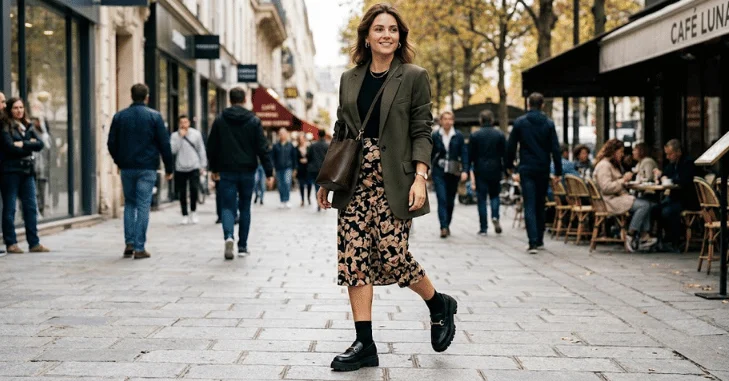
Chunky loafers are still worth wearing in 2026, but the smartest pair is less about maximum sole height and more about proportion, fit, and repeat use. Choose a secure slip-on with a supportive footbed, a sole that suits your wardrobe, and a color that pairs with at least 3 outfits. For a closer look at this, see Chelsea Boots.
The heavier loafer silhouette remains easy to wear with denim, tailoring, skirts, and dresses. Yet 2026 footwear trends are also moving toward slimmer penny and low-profile shapes. That makes a thicker pair feel more like a deliberate style choice than the season’s default loafer.
| What to decide | Practical starting point |
|---|---|
| Best first color | Black or dark brown |
| Easiest sole | Moderate lug sole or low platform |
| Most versatile material | Smooth leather or quality faux leather |
| Fit | Secure at heel and instep without pinching |
| Easy bottoms | Straight jeans, tailored trousers, mini or midi skirts |
| Work-friendly choice | Clean upper with a restrained sole |
| Current US price range | Roughly $45 to $300+, with luxury pairs costing more |
| Best buying rule | Make sure the pair works with at least three existing outfits |
TL;DR
- Choose a moderate sole for the most outfit options.
- Black and dark brown are easier to repeat than statement colors.
- A slip-on should feel secure, not painfully tight.
- Straight denim, trousers, skirts, and simple dresses balance the heavier shoe well.
- Current US pricing spans budget fashion, midrange leather, and luxury designer options.
- Buy for your wardrobe and walking needs, not sole height alone.
Are Heavier Loafer Styles Still Current in 2026?
Yes, but the trend has changed.
Recent fashion coverage points toward lower-profile penny and horsebit shapes for fall 2026. Slim designs are gaining attention, while major US retailers continue to carry lug-sole and platform styles.
The useful takeaway is simple. You don’t need to retire a thicker pair because slimmer shoes are getting attention.
Instead, choose a shape that looks intentional with your clothes. A huge platform can overwhelm light trousers or a delicate dress. A medium lug sole gives you the same structured effect with less visual weight.
This also makes the shoe easier to keep after the strongest trend cycle passes.
How to Choose Chunky Loafers You’ll Wear Often
Start with how you expect to use the shoe. A pair for commuting needs different features from one worn mainly to dinners or short office days.
Compare the Main Sole Types
| Style | Best for | Pros | Cons |
|---|---|---|---|
| Moderate lug sole | Everyday wardrobes | Structured look, easy with jeans and trousers | Less dramatic if you want a statement shoe |
| Low platform | Extra height | Adds height without a heel, works with longer pants | Can feel heavier than a standard flat |
| Deep exaggerated lug | Trend-led outfits | Strong visual impact, works with minis and oversized layers | Harder to balance with delicate clothing |
| Heeled loafer | Office and dressier looks | Polished shape with added height | Less useful for long walking days |
The verdict: a moderate lug sole is the strongest first purchase for most closets. It adds some weight to the shoe without dictating the rest of your outfit.
Pick the Material for How You Dress
Smooth black leather creates the cleanest bridge between casual and office clothing. Dark brown feels softer with cream, denim, camel, olive, and autumn colors.
Suede can look relaxed and refined, but it needs more care in wet weather. Patent finishes make a stronger statement and often work best when the surrounding outfit stays simple.
If you already wear bold footwear, burgundy, metallic, animal print, or two-tone designs can make sense. For a first pair, a neutral gives you more chances to repeat the shoe.
Check the Fit Before You Judge the Style
A loafer has no laces to correct a poor fit. Aim for a snug but comfortable feel, with a secure fit across the top and no toe or side pinching. Slight heel movement can occur, especially at first.
Comfort features matter more when the sole gets heavier. A supportive footbed, roomy toe box, heel support, and cushioning can make a noticeable difference during longer wear.
Walk around indoors before committing. Your toes should stay relaxed, and your heel shouldn’t repeatedly lift out of the shoe.
Don’t assume painful pressure will disappear after a break-in period.
8 Outfit Ideas That Balance a Chunky Shoe
The simplest styling rule is to give the shoe enough visual space. You can do that through cropped hems, straight lines, exposed ankles, or a shorter skirt.
- Straight-leg jeans and a white tee. Use ankle-length denim or a small cuff so the shoe remains visible. Add a belt and structured bag for a cleaner finish.
- Wide-leg trousers and a fitted knit. Let the trouser fall close to the top of the shoe rather than pooling around it. A fitted or tucked top keeps the proportions balanced.
- Black trousers and an oversized blazer. This formula works well for business-casual offices. Choose a cleaner upper and moderate sole instead of an exaggerated platform.
- Mini skirt, tights, and a sweater. A short hem creates space between the shoe and clothing. Sheer or opaque tights can carry the combination through colder months.
- Midi skirt and a simple top. A structured shoe adds contrast to a softer skirt. Keep the top fitted or lightly tucked if the skirt has plenty of volume.
- Relaxed jeans and a cropped jacket. The shorter outer layer stops loose denim and a substantial shoe from making the entire outfit feel heavy.
- Simple dress and ankle socks. Try a shirt dress, knit dress, or plain mini. The shoe can make a sweeter dress look less formal and more practical.
- Monochrome neutrals. Black, charcoal, cream, camel, and brown are easy choices when the footwear already has a strong shape.
Similar styling principles apply whenever your shoes act as a focal point. StyleLiza’s green sneaker styling guide shows how denim, black, cream, navy, and other wardrobe basics can support more noticeable footwear without making an outfit feel busy.
What About Socks?
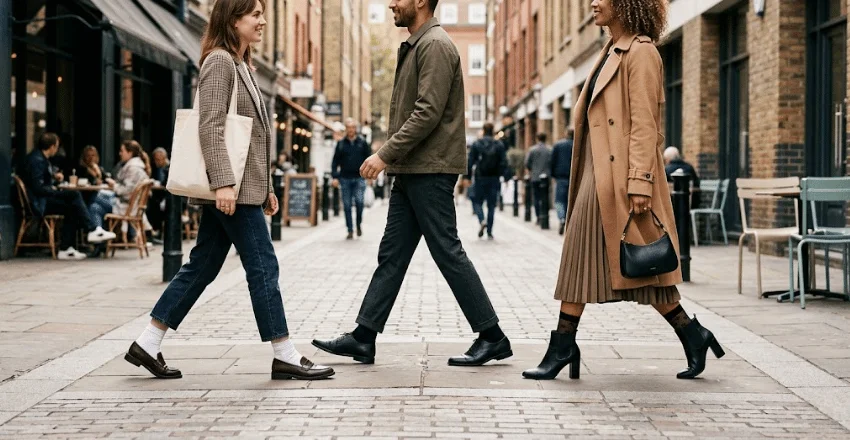
Socks can make the shoe look more intentional while reducing direct rubbing around the foot.
White crew socks create a preppy contrast with black or brown leather. Black socks make the transition from trouser to shoe quieter. Sheer socks or fine ribbed pairs work with skirts when you want less contrast.
If your outfit already contains several colors, match the sock to either your pants or your shoe. This keeps the ankle from becoming another focal point.
Bare ankles also work with cropped jeans, dresses, and trousers in warmer weather.
The choice depends on the outfit and comfort rather than a strict fashion rule.
If you want more ideas for building outfits around different shoes and silhouettes, browse the StyleLiza fashion section for additional wardrobe inspiration.
How Much Do They Cost in the US?
There is a wide price spread, and sales can move the numbers quickly.
As of August 2026, budget fashion versions can appear around the $45 to $80 range during sales. Midrange options typically fall into the $80 to $200 range, while premium and designer pairs can cost $300 or more.
Treat those numbers as a current market snapshot, not fixed prices.
| Shopping level | Approximate current range | What to inspect |
|---|---|---|
| Budget | $45 to $80 | Upper material, lining, flexibility, return terms |
| Midrange | $80 to $200 | Leather quality, cushioning, construction, fit |
| Premium | $200 to $400 | Materials, finishing, brand value, durability |
| Luxury | $400+ | Design, construction, brand premium, long-term use |
A higher price doesn’t guarantee a better fit for your foot. Check the materials, insole, sole weight, sizing notes, and return policy before paying.
How to Make the Shoe Work for Your Proportions
If you worry that a heavy sole will make your feet look large, start with a moderate profile.
Showing a small section of ankle helps separate the shoe from the hem. Straight or cropped jeans make this easy. Mini and midi skirts can also create enough visual space to balance heavier footwear.
Petite shoppers don’t have to avoid platforms. The added height can be useful, but an oversized upper and extreme tread may create more bulk than you want.
Try the full outfit before deciding. A pair that looks oversized beside bare legs may look balanced with a blazer, coat, or wider trouser.
Can You Wear Them to Work?
Yes, in many business-casual settings.
For the office, choose a polished upper in black, brown, burgundy, or another restrained shade. Pair it with tailored trousers, a knit, a button-down shirt, a blazer, or a simple midi skirt.
Keep the tread moderate if your workplace leans formal.
A deep platform with large hardware will read more casual or fashion-led. That can work in a creative office but may feel out of place in a conservative setting.
The same practical footwear rule applies when dressing for long events: style should fit what you’ll actually be doing. StyleLiza’s 4th of July outfit guide demonstrates how choosing shoes around walking, weather, and the day’s plans can make an outfit easier to wear.
The Best First Pair for Most Wardrobes
For most people, the best starting point is a black or dark brown leather pair with a moderate lug sole.
That combination works with more clothes than an extreme platform. It can pair with straight jeans, office trousers, skirts, and casual dresses without forcing you into a single aesthetic.
Before buying, try this three-outfit test:
- One outfit you wear to work or school.
- One casual weekend outfit.
- One outfit involving a skirt, dress, or different trouser shape.
If the shoe works with all three, it has a good chance of earning regular wear.
If you need to imagine buying new clothes to make the shoe work, reconsider the pair.
Make Your Pair Earn Its Place
The right heavy loafer shouldn’t require a new wardrobe. Choose the sole according to your daily clothes, check the fit carefully, and test the shoe with several outfits before removing the tags. A moderate lug sole in a neutral color will give most US shoppers the widest range of use.
Start with what you already own. If the pair works for work, weekends, and one dressier outfit, you’ve probably found the right one.
Frequently Asked Questions
Yes, although the trend is broader than it was a few seasons ago. Slim penny and low-profile designs are gaining attention, while lug soles remain available and wearable. The more useful question is whether the sole, color, and proportions work with your existing wardrobe.
The shoe should feel secure across the heel and instep without squeezing the toes. A small amount of initial heel movement can be normal, but persistent slipping, rubbing, or toe pressure signals a poor fit.
Straight-leg, cropped, tailored, and wide-leg trousers all work. Watch the hem length. The shoe should remain visible rather than disappear under fabric that pools on the floor.
Yes. A substantial shoe can make a mini, shirt dress, knit dress, or midi feel less formal. Keep other accessories restrained if the sole is especially bold.
They can be, but platform height alone doesn’t determine comfort. Look at cushioning, heel security, toe space, support, weight, and how the shoe bends as you walk.
Choose black if your closet contains plenty of black, gray, navy, or cooler tones. Brown pairs well with cream, camel, denim, olive, rust, and other warm neutrals.