
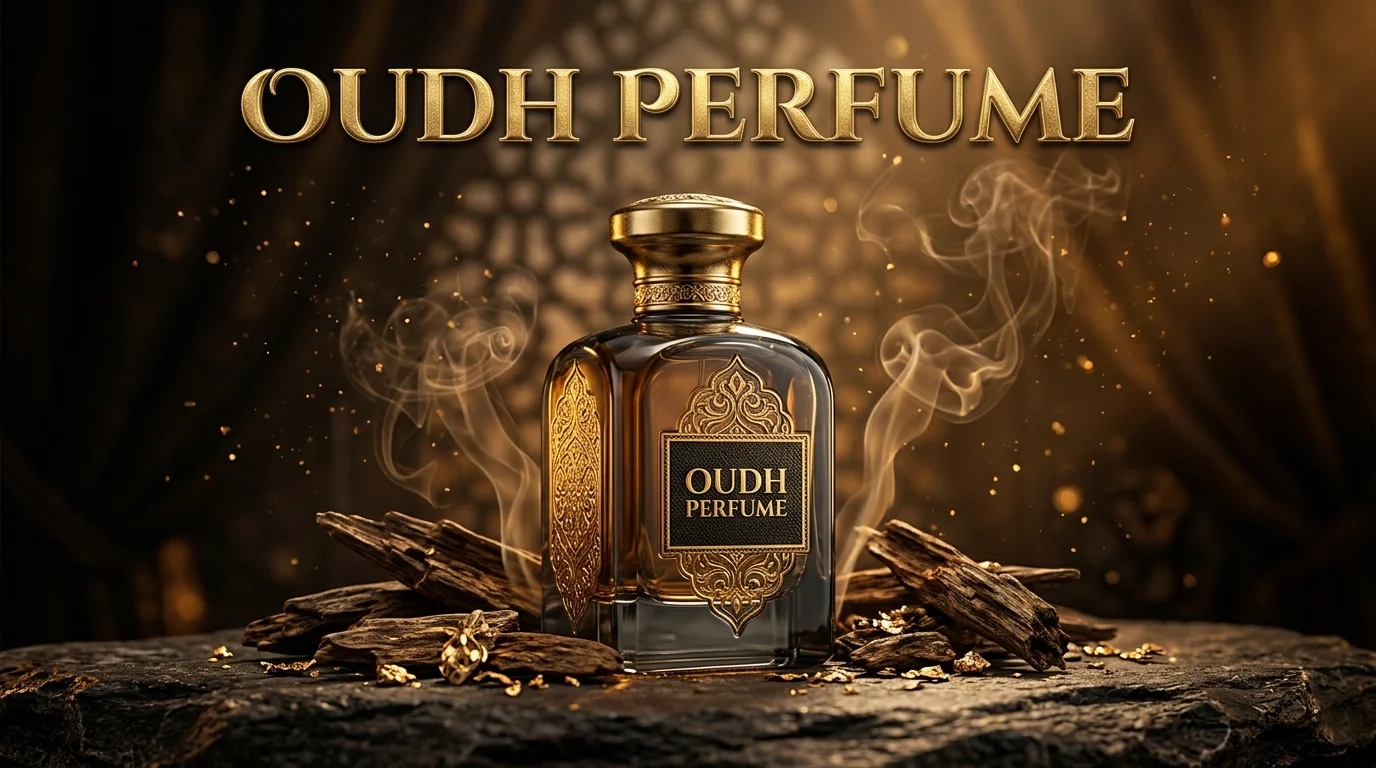
Oudh perfume brings depth, warmth, and character to a fragrance collection. It usually smells woody, resinous, smoky, or softly sweet. Modern versions can also feel floral, fresh, creamy, spicy, or surprisingly light.
The ingredient behind these fragrances is agarwood, usually called oud in modern perfumery. Its distinctive aroma comes from resin-rich wood formed by certain trees. Perfumers use natural materials, recreated accords, or combinations of both.
Oudh Perfume at a Glance
| Question | Quick answer |
|---|---|
| What is it? | A fragrance built around oud or an oud-style accord |
| Main scent profile | Woody, resinous, smoky, leathery, sweet, or earthy |
| Common pairings | Rose, saffron, amber, vanilla, citrus, musk, and spices |
| Best seasons | Fall and winter, though lighter blends work year-round |
| Best occasions | Evenings, dinners, formal events, dates, and signature wear |
| Suitable for | Anyone who enjoys warm, distinctive fragrances |
| Beginner approach | Start with softer woody, citrus, vanilla, or floral oud blends |
| Application | Begin lightly, then add more only when needed |
Direct answer: Oud is a rich fragrance material associated with agarwood. Its scent can range from polished woods to smoke, leather, sweetness, and warm resin. Beginners often enjoy blends with citrus, rose, vanilla, or amber because those notes soften oud’s darker character.
Key Takeaways
- Oud can smell dramatically different between fragrances.
- Natural agarwood is scarce, regulated, and costly.
- Many perfumes use carefully constructed oud accords.
- Rose, saffron, amber, vanilla, and woods are common partners.
- Lighter compositions can work during daytime.
- Darker versions often suit evenings and cooler weather.
- Testing on skin matters more than judging the bottle alone.
What Is Oud, and Where Does It Come From?
Oud refers to fragrant agarwood formed in trees such as Aquilaria species. Certain trees produce aromatic resin after injury or biological stress. The resulting darkened wood becomes prized for incense and fragrance.
International trade in many agarwood-producing species is controlled under CITES. Appendix II controls trade to support sustainable use rather than banning every transaction. That scarcity also helps explain the material’s reputation as a luxury.
Natural agarwood can vary greatly according to species, region, age, and processing. This variation makes a universal “oud smell” difficult to define. Fragrance houses often recreate selected facets instead of copying every characteristic.
What Does Oud Smell Like?
A traditional oud profile can combine wood, smoke, resin, leather, earth, and sweetness. Some natural examples also have animalic or medicinal facets. That intensity explains why first impressions sometimes divide fragrance shoppers.
Modern Western perfumes often polish those rougher edges considerably. Perfumers may combine oud with smooth woods, amber, musk, or vanilla. These compositions can feel warmer and easier to wear.
Floral oud takes another direction by pairing the wood with rose or jasmine. Spiced styles often bring saffron, pepper, cinnamon, or incense to the forefront. Fresh versions may introduce bergamot, marine notes, or aromatic ingredients.
Why Oud Fragrances Feel So Different From Each Other
“Oud” on a perfume bottle does not describe one fixed formula. One fragrance may emphasize smoke, while another highlights creamy woods. A third may place vanilla or rose ahead of the woody base.
Concentration also changes how a fragrance behaves on skin. Eau de parfum and extrait formulas can feel denser than lighter formats. Still, concentration alone does not guarantee stronger projection or longer wear.
Your skin, temperature, humidity, and application amount also affect performance. That makes personal testing especially useful with this scent family. A dramatic paper-strip opening may become much softer after an hour.
Popular Oud Styles for U.S. Fragrance Buyers
| Oud style | Typical character | Good starting point for |
|---|---|---|
| Woody oud | Dry, smooth, polished | Daily wear and beginners |
| Rose oud | Floral, rich, romantic | Evening and formal occasions |
| Vanilla oud | Sweet, warm, creamy | Gourmand fragrance fans |
| Amber oud | Resinous, smooth, enveloping | Fall and winter |
| Saffron oud | Spicy, warm, distinctive | Statement fragrance lovers |
| Leather oud | Dark, dry, smoky | Experienced oud wearers |
| Citrus oud | Brighter and cleaner | Daytime or warmer weather |
| Marine oud | Fresh, mineral, woody | Buyers avoiding heavy sweetness |
This variety matters because modern oud is no longer limited to heavy evening fragrances. U.S. retailers now carry fresh, sweet, floral, and smoky interpretations. Shoppers can choose the surrounding notes before choosing intensity.
A beginner might prefer citrus, vanilla, amber, or polished woods. Experienced fragrance wearers may enjoy leather, incense, or stronger resinous effects. Neither approach is more authentic for personal wear.
How to Choose an Oudh Perfume You Will Actually Wear
Start by deciding when you’ll wear the fragrance most often. A daily scent should fit your usual environment and clothing. An occasional scent can be richer, darker, or more dramatic.
Next, check the supporting notes instead of focusing only on oud. Vanilla and amber usually make the profile warmer and sweeter. Citrus or aromatic notes can make the opening feel cleaner.
Rose and saffron create a classic luxurious pairing with dark woods. Leather and incense can produce a more intense impression. Musk and sandalwood often make the dry-down smoother.
Finally, test the fragrance on skin whenever possible. Give it enough time to reach the later stages. Oud-focused compositions can change considerably after their opening notes fade.
Match the Fragrance to the Occasion
A stronger oud can work especially well with formal evening clothing. Keep the application controlled so the fragrance complements the room. Styleliza’s black-tie dressing guide can help complete the occasion.
Polished woody oud also suits understated personal style. It can pair naturally with tailored neutrals and restrained accessories. The old-money style guide offers similar principles for a refined wardrobe.
Dark amber or woody fragrances can complement tonal fall outfits beautifully. Browns, creams, burgundy, charcoal, and forest shades create a similar visual mood. Explore Styleliza’s deep autumn color palette for seasonal outfit ideas.
You can also coordinate fragrance mood without literally matching colors. A clean woody scent works well beside simple tonal dressing. These monochrome outfit ideas show how restraint can still create depth.
How Much Oud Should You Apply?
Start with fewer sprays than you would use with a light citrus fragrance. Dense woody formulas can expand noticeably as they warm. You can always add another spray later.
Pulse points such as the neck and wrists are common application areas. Avoid rubbing your wrists aggressively after spraying. Friction can alter how the opening develops.
Clothing may hold fragrance longer than skin, but use care with delicate fabrics. Oils and strongly colored liquids can sometimes leave marks. Test an unseen area before spraying valuable clothing.
Can You Wear Oud During Summer?
Yes, but composition and dosage matter. Heavy smoke, leather, and sweet amber can become intense during hot weather. Lighter woody or citrus-led blends are usually easier.
Warm temperatures can increase fragrance projection. Start with one or two sprays, then add more. Air-conditioned environments may tolerate richer formulas better than outdoor heat.
Season should guide, not control, your choice. Wear what you enjoy and adjust the amount. Personal comfort and consideration for nearby people matter most.
Is Oud Only for Men?
No fragrance ingredient belongs exclusively to one gender. Oud appears throughout products marketed toward men, women, and unisex audiences. Its supporting notes usually shape the finished impression more strongly.
Rose or vanilla can soften and sweeten the composition. Leather, smoke, or dry woods can create a darker style. Anyone can wear either direction.
The better question is whether the scent matches your preferences. When possible, ignore the marketing label during testing. Judge the fragrance after it develops on your skin.
Natural Oud Versus Oud Accords
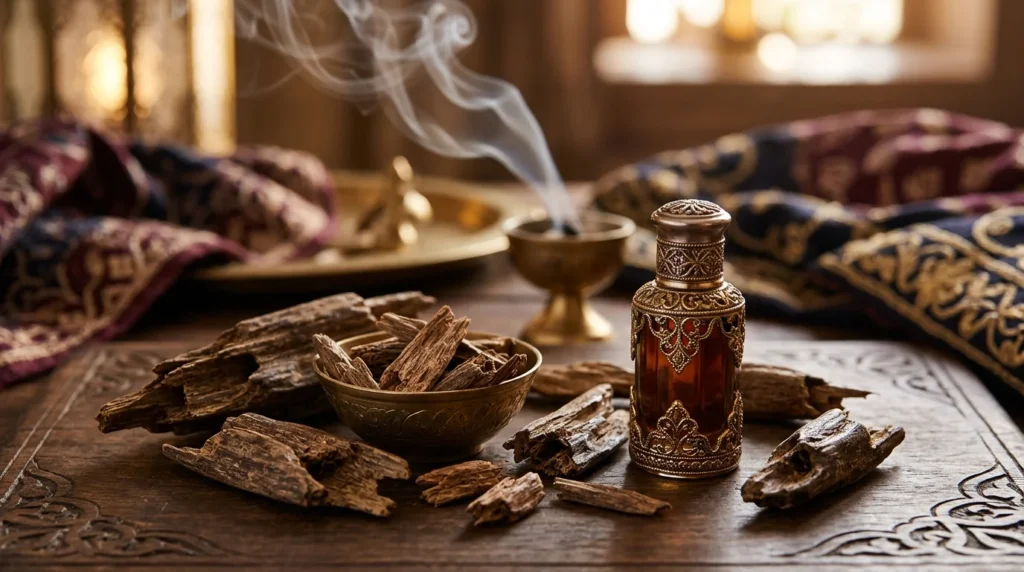
Natural agarwood is scarce and subject to international trade controls. That makes high-quality natural material costly and difficult to source. Not every bottle labeled oud contains substantial natural agarwood.
Many perfumers use synthetic materials and blended accords to create an oud effect. These materials can reproduce specific woody, leathery, smoky, or amber facets. They also allow greater consistency between batches.
Synthetic does not automatically mean poor quality. Natural does not automatically mean enjoyable either. For most buyers, the quality of the complete composition matters more.
What Should You Check Before Buying?
Look beyond dramatic words such as intense, royal, dark, or luxury. Read the complete note list and identify familiar ingredients. Those clues can predict whether the scent fits your preferences.
Check the bottle size before comparing prices. A lower price may reflect a much smaller volume. Compare cost per ounce when value matters.
Sampling is especially useful for unfamiliar oud styles. Skin testing can prevent an expensive blind-buy mistake. Give each sample several hours before deciding.
Is Expensive Oud Always Better?
Price alone cannot tell you whether you will enjoy a fragrance. Luxury bottles may cost more because of materials, packaging, distribution, and brand positioning. Affordable formulas can still smell polished and distinctive.
Natural agarwood can significantly raise production costs. Yet a perfume is a complete formula, not a single ingredient. Balance and wearability matter more than the raw-material story alone.
Set a budget before testing so price does not control your judgment. Compare scents within that range on your skin. Choose the bottle you expect to wear regularly.
Frequently Asked Questions
Is oudh perfume the same as oud perfume?
Yes, both spellings usually refer to the same fragrance family. “Oud” is more common in many Western product names. “Oudh” remains widely used in other markets and traditional contexts.
How long does oud perfume last?
Performance varies by formula, concentration, skin, climate, and application. Many oud compositions are built with persistent base notes. Never assume a specific wear time from the ingredient name alone.
Does oud always smell smoky?
No, smoke is only one possible facet. Oud can also smell woody, sweet, floral, leathery, resinous, or earthy. Modern formulas often soften smoke with brighter ingredients.
Is oud a good fragrance for beginners?
It can be an excellent choice with the right composition. Start with polished woods, citrus, amber, rose, or vanilla. Sample first if leather or animalic notes usually challenge you.
Can you wear oud every day?
Yes, especially when the formula is balanced and moderately applied. Softer woody styles work well for everyday routines. Save louder versions for settings with more space.
Why can an oudh perfume cost so much?
Natural agarwood is scarce and international trade is regulated. Production and sourcing can add significant expense. Brand, concentration, packaging, and distribution also influence the final retail price.
Find Your Version of Oud
Oud does not need to smell intimidating, old-fashioned, or overwhelmingly smoky. Today’s fragrance market offers clean, sweet, floral, spicy, and dark interpretations. The key is identifying which supporting notes already fit your taste.
Begin with samples and compare each fragrance after the opening fades. Consider your climate, wardrobe, routine, and preferred projection level. A thoughtful choice will get more wear than the loudest bottle.
Treat fragrance as another part of personal style rather than a rulebook. Choose a scent that feels natural to wear. Then adjust your application for the setting, season, and people around you.