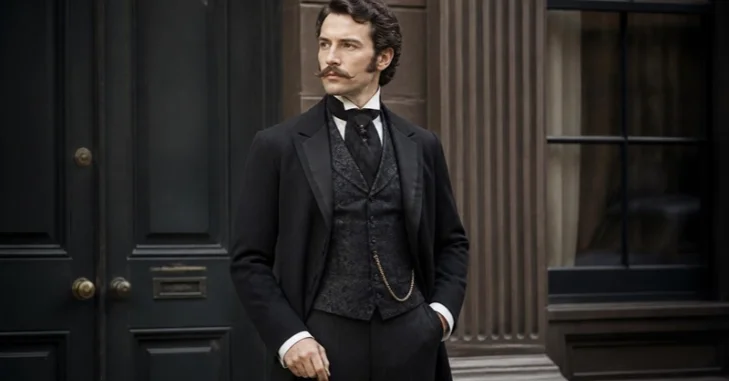

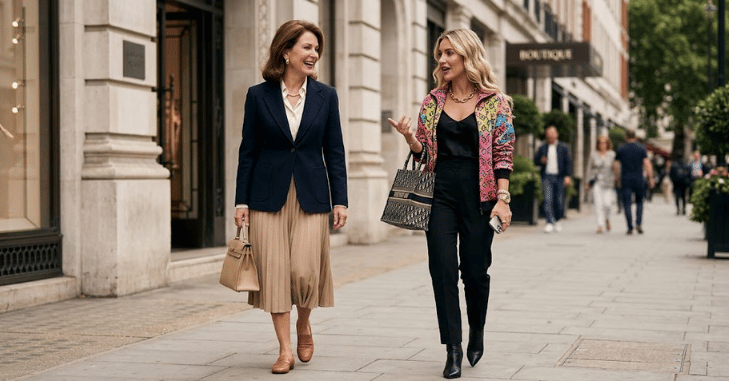
The old money vs new money style debate is less about wealth than visual communication. One aesthetic favors restraint, tradition, and pieces designed to age well. The other embraces visibility, current fashion, and statement-making details.
Neither approach proves how much money someone has or where that money came from. Clothing can imitate either aesthetic at almost any realistic budget. The useful comparison is how each style handles color, branding, tailoring, accessories, and trends.
Direct answer: Old money-inspired fashion favors understated colors, classic tailoring, natural-looking fabrics, restrained accessories, and little visible branding. New money-inspired fashion favors recognizable labels, bolder colors, current silhouettes, statement accessories, and obvious luxury signals. Neither look is inherently better, and your wardrobe can borrow successfully from both.
Old Money vs New Money at a Glance
| Style element | Heritage-inspired look | New-money-inspired look |
|---|---|---|
| Color | Navy, cream, camel, brown, gray | Bright shades, black, metallics, high contrast |
| Branding | Hidden or minimal | Recognizable and visible |
| Silhouette | Classic, tailored, consistent | Current, dramatic, trend-led |
| Fabrics | Wool, cotton, linen, cashmere, leather | Mixed materials, glossy finishes, technical fabrics |
| Accessories | Restrained and practical | Statement-making and noticeable |
| Shopping focus | Longevity and repeat wear | Novelty, exclusivity, and current releases |
| Overall effect | Understated | Attention-grabbing |
The understated aesthetic usually makes clothing look established rather than newly acquired. A navy blazer, loafers, straight trousers, or a simple leather bag can fit that approach. Visible quality matters more than an obvious designer name.
The contrasting aesthetic makes acquisition and novelty part of the visual message. Recognizable bags, limited sneakers, bold jewelry, or an unmistakable seasonal silhouette can all perform that role. Current pieces often matter because people can identify when and where they appeared.
Contemporary fashion coverage often connects heritage dressing with preppy staples and restrained styling. GQ has noted Gen Z’s interest in cable-knit sweaters, Oxford shirts, and navy blazers. The trend is therefore partly about borrowing established visual codes rather than demonstrating actual family wealth.
1. Understatement Versus Visibility
The first difference is how much attention the clothing wants. Heritage-inspired outfits often avoid making any single garment the obvious centerpiece. Colors, proportions, and accessories usually work together quietly.
The expressive alternative makes visibility part of the point. A logo bag or unusual shoe can become the first element someone notices. Stronger styling may also use contrast, shine, distinctive hardware, or recognizable designer motifs.
Neither method automatically equals good taste. An understated outfit can look dull when fit and texture are ignored. A statement-heavy outfit can look excellent when its colors and proportions remain controlled.
2. Classic Colors Versus High-Impact Color
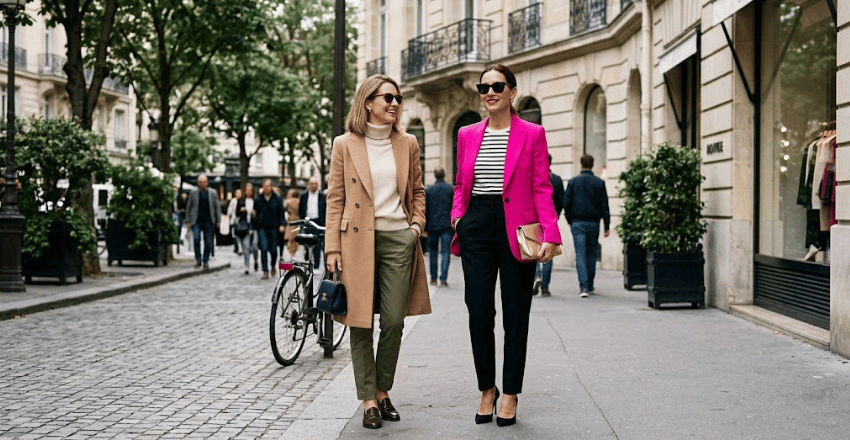
Navy, cream, camel, chocolate, white, olive, and gray appear frequently in traditional affluent dressing. These shades combine easily and tend to survive seasonal trend changes. They also make repeating clothes less noticeable.
Bolder wealth-signaling fashion allows more saturated color and dramatic contrast. Bright red, vivid pink, metallic finishes, or strong black-and-white combinations can create immediate impact. The palette does not need to look discreet.
You do not need an entirely neutral closet to create a refined effect. Start with two quiet base colors and introduce one richer accent. That method keeps the outfit controlled without making it predictable.
3. Hidden Branding Versus Recognizable Labels
Minimal branding is among the clearest markers of the understated aesthetic. A garment may come from an expensive label without displaying that information externally. Fabric, cut, buttons, and construction carry more visual weight.
Statement dressing treats brand recognition differently. Monograms, distinctive hardware, logo belts, recognizable sneakers, and signature bags can become central elements. The label itself becomes part of the outfit’s design.
This difference explains why price alone cannot classify an outfit. Two equally expensive wardrobes may send opposite messages. One communicates through construction, while the other communicates through recognizable products.
4. Long-Term Silhouettes Versus Current Shapes
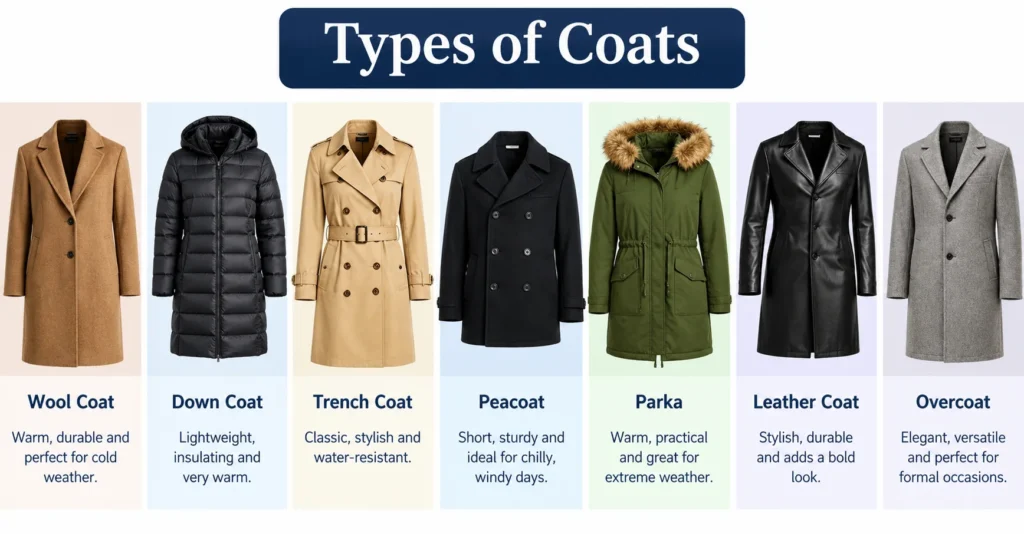
Traditional styling tends to favor shapes that change slowly. Straight trousers, loafers, structured coats, button-down shirts, simple knits, and conventional blazers fit naturally. Small adjustments keep them current without changing their identity.
Trend-conscious luxury can move much faster. Proportions may become oversized, cropped, sculptural, unusually slim, or deliberately exaggerated. Owning the current silhouette can itself signal fashion awareness.
That distinction also affects shopping habits. A classic blazer can remain useful through several trend cycles. A dramatic seasonal piece may deliver greater impact but become harder to repeat later.
For a practical example, StyleLiza’s casual outfit guide shows how simple proportions create polished outfits. The same principle helps classic pieces feel intentional, not conservative. Clean proportions usually matter more than buying a more expensive item.
5. Material and Condition Send Different Messages
Traditional affluent styling often values materials that develop character through use. Wool, cotton, linen, suede, leather, and cashmere can look better when properly maintained. A small amount of natural wear may even support the established appearance.
More conspicuous luxury often emphasizes newness and visual perfection. Fresh releases, pristine sneakers, glossy surfaces, and spotless statement accessories fit that message. Novelty can matter almost as much as the material itself.
This does not mean one side values quality while the other ignores it. Both may involve exceptional craftsmanship. They differ mainly in whether longevity or immediate recognition drives the purchase.
6. Accessories: Supporting Detail Versus Focal Point
Heritage-inspired accessories tend to complete an outfit rather than dominate it. Think restrained watches, simple jewelry, leather belts, structured bags, scarves, and classic sunglasses. The accessories usually share colors already present elsewhere.
Statement-oriented styling allows accessories to carry more visual weight. Oversized sunglasses, bold jewelry, logo bags, substantial watches, and distinctive footwear can become intentional focal points. Scale and recognizability help create that effect.
A useful middle ground is choosing only one attention-grabbing accessory. Keep the remaining pieces quieter so they support it. This gives you personality without forcing every item to compete.
A textured neutral bag works especially well for this approach. StyleLiza’s brown suede bag guide explains how shape, color, and texture affect versatility. Brown suede can support both preppy and more contemporary wardrobes.
7. Shoes Reveal the Difference Quickly
Shoes often expose an outfit’s style direction before anything else. Penny loafers, riding-inspired boots, clean leather sneakers, ballet flats, and simple pumps complement quieter wardrobes. Their designs remain recognizable without depending on novelty.
The bolder direction leaves more room for limited sneakers, dramatic platforms, unusual heels, and conspicuous hardware. A shoe may intentionally become the strongest part of the entire outfit. That makes footwear an easy place to experiment.
Loafers also show how both approaches can overlap. A slim penny shape feels traditional, while a heavier sole adds a more contemporary edge. StyleLiza’s chunky loafers guide covers that balance in greater detail.
8. The Real Difference Is the Intended Audience
The biggest difference is who the outfit seems designed to impress. Understated clothing depends on subtle cues that many people may overlook. A knowledgeable observer might notice excellent fabric or tailoring without seeing a logo.
More visible styling makes recognition easier. A recognizable bag, sneaker, watch, or current runway shape can communicate quickly. The message works because the audience already knows what the object represents.
This contrast also explains why online stereotypes can become misleading. Real wealthy people do not follow one uniform, and fashionable people mix these codes constantly. An aesthetic is a styling vocabulary, not evidence about someone’s finances or background.
The National has also noted that social media turned inherited-wealth imagery into a widely imitated aesthetic. Its coverage highlights both the trend’s appeal and the class assumptions behind it. That context matters when treating these categories as fashion inspiration.
Pros and Cons of Each Aesthetic
| Approach | Pros | Cons |
|---|---|---|
| Understated style | Easy to repeat, mixes well, ages slowly, works across occasions | Can feel conservative or generic without texture |
| Visible luxury style | Expressive, memorable, current, easy to personalize | Trend cycles move faster and statement pieces can clash |
| Blended approach | Flexible, personal, balances longevity with novelty | Requires more attention to proportion and focal points |
The understated route suits someone who values repeat wear and easy coordination. It can also reduce pressure to replace clothes whenever trends shift. Strong fit and fabric become especially important because fewer decorative elements distract from them.
The bolder route suits someone who genuinely enjoys experimenting with fashion. Color, current silhouettes, and recognizable design can make dressing more creative. The risk comes from buying novelty without considering how pieces work together.
Which Style Should You Choose?
Choose the restrained direction when you want your wardrobe to feel calm, repeatable, and polished. Focus on fit before labels, then build around dependable colors and materials. Add personality through texture, jewelry, footwear, or subtle color.
Choose the more expressive direction when fashion itself is part of the fun. Allow one or two pieces to attract attention, then give them enough visual space. Buying recognizable luxury is optional because color and silhouette can create similar energy.
For most people, the strongest choice is a blend rather than strict loyalty to either category. Build your foundation from versatile pieces, then add trends that genuinely suit you. This method keeps an internet aesthetic from becoming a costume.
A Simple 70/30 Wardrobe Formula
Use roughly 70 percent dependable basics and 30 percent expressive pieces as a planning tool. These numbers don’t need to become strict shopping rules. They keep your closet useful while leaving room for experimentation.
Your dependable group might include trousers, denim, shirts, knits, loafers, and a versatile coat. The expressive group could include a bright bag, unusual shoes, a designer piece, or a seasonal silhouette. Adjust the ratio to match your personality and daily routine.
This formula also works across different budgets. Good fit, color harmony, and garment care cost less than rebuilding your wardrobe around labels. Spend where repeated use makes the extra cost worthwhile.
Frequently Asked Questions
What is the biggest difference between old money vs new money style?
The biggest difference is usually discretion versus visibility. One approach emphasizes classic silhouettes, quiet colors, and minimal branding. The other relies more on recognizable labels, trends, statement pieces, and obvious visual signals.
Is quiet luxury the same as old-money-inspired fashion?
They overlap, but the terms are not identical. Quiet luxury usually describes understated, high-quality-looking clothing without obvious branding. The heritage aesthetic also evokes preppy traditions, established institutions, and generational style codes.
Can you dress in either aesthetic on a budget?
Yes, because the visual principles do not require a specific income. Fit, color, proportion, condition, and styling can matter more than the label. Secondhand shopping can also provide quality natural fabrics and classic cuts for less.
Does wearing logos automatically make an outfit look new money?
No single detail can classify an entire outfit. A logo can sit within an otherwise restrained combination without changing its character. Scale, color, silhouette, accessories, and styling all affect the final impression.
Which aesthetic is more fashionable in the United States?
Both continue to influence American fashion, although they appear in different forms. Heritage dressing overlaps with preppy style and quiet luxury. More expressive fashion shows up in streetwear, designer accessories, bold color, and trend-led silhouettes.
Build a Wardrobe That Looks Like You
The old money vs new money comparison works best as a styling tool, not a social ranking system. One side teaches restraint and repeatability, while the other encourages visibility and experimentation. Both offer useful ideas when you separate the clothes from assumptions about wealth.
Start with the pieces you already wear and identify which direction they naturally support. Improve fit and coordination before buying an entirely new aesthetic. Then add one contrasting element whenever you want the outfit to feel more personal.