
Chunky shoes can still look current in 2026, but the styling has become more selective. Slimmer sneakers are getting strong attention, while substantial soles remain useful as deliberate statement pieces. The easiest approach is choosing one bold silhouette and balancing it with cleaner lines elsewhere.
Choose a pair with a substantial sole, secure fit, and shape that works with your existing hems. Balance the visual weight through straight, wide, or cropped bottoms, or contrast it with a simple skirt. Keep colors controlled when the footwear already has complex panels, tread, or hardware.
| Style | Visual effect | Easy pairings | Main thing to check |
|---|---|---|---|
| Chunky sneaker | Sporty and casual | Wide jeans, straight denim, skirts | Heel security and sole weight |
| Lug-sole loafer | Polished with edge | Trousers, denim, midi skirts | Instep fit and tread depth |
| Platform sandal | Open and height-adding | Dresses, shorts, wide pants | Strap comfort and stability |
| Heavy boot | Structured and grounded | Denim, tights, tailored pants | Shaft fit and flexibility |
| Clog or mule | Relaxed and practical | Loose trousers, shorts, simple dresses | Foot hold and walking comfort |
Key Takeaways
Thick soles are a style choice in 2026, not the only fashionable footwear direction. Moderate proportions usually mix with more outfits than extreme platforms. Fit, hem length, and repeat use matter more than chasing maximum sole height.
What Makes a Shoe Look Chunky?
A chunky silhouette comes from visual weight, not one exact sole measurement. Thick midsoles, layered uppers, deep tread, broad toes, and raised platforms can all create that effect. Sneakers, loafers, sandals, boots, and clogs can each use the same design idea.
The shape became closely tied to late-2010s dad sneakers and platform footwear. Today, the category is broader and less tied to one aesthetic. Styleliza’s 2010s fashion guide shows how oversized sneakers became a recognizable part of that decade.
Are Substantial Soles Still Current in 2026?
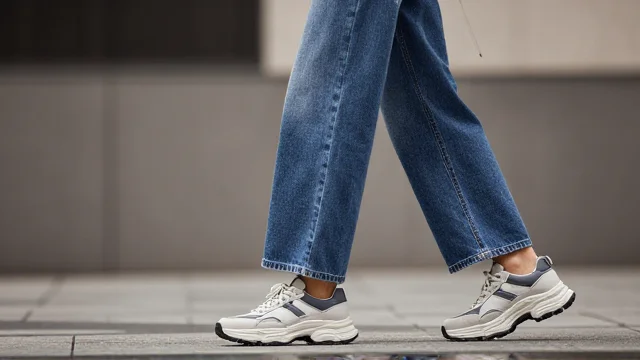
Current fashion coverage shows a genuine split rather than one universal shoe rule. Low-profile sneakers are gaining attention, especially through retro runners and ballet-inspired shapes. At the same time, substantial sneakers still appear in celebrity outfits and current styling features.
That means a heavy sole now reads as a choice instead of the default trend. This can work in your favor because the shoe carries more visual intention. Choose the shape because it suits your wardrobe, not because every outfit needs extra volume.
How to Style Chunky Shoes in 2026
Start by deciding whether the footwear should lead the outfit or support it. A louder pair needs calmer clothing, while a neutral pair can handle more texture above. Proportion matters more than following one fixed rule about skinny or wide pants.
- Straight jeans + fitted tee + blazer. The straight leg gives the sole enough room without hiding it.
- Wide-leg jeans + compact knit. Let the hem skim the upper instead of dragging beneath the tread.
- Cargo pants + simple tank. Keep pockets and colors restrained when the footwear already looks technical.
- Midi dress + neutral sneakers. The softer line creates contrast without making the outfit feel overly sporty.
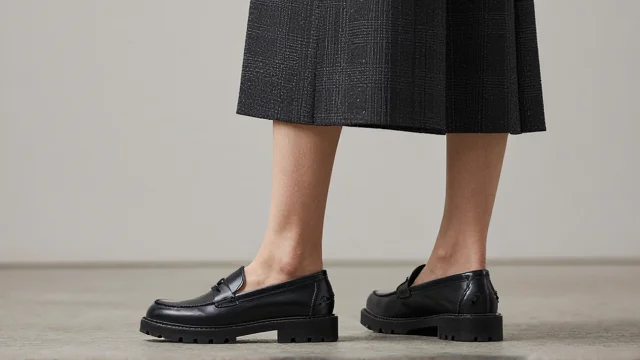
- Mini skirt + tights + heavy loafers. The exposed leg line keeps a dark sole from feeling too dense.
- Tailored trousers + restrained lug loafers. Choose a cleaner upper when you want a work-friendly result.
- Shorts + platform sneakers or sandals. A shorter hem gives the added sole height room to register.
- Monochrome layers + statement footwear. Repeated colors make a complex sole feel more deliberate.
- Relaxed denim + cropped jacket. The shorter top keeps volume from collecting across the entire silhouette.
Recent stylist advice also supports pairing substantial sneakers with wider jeans for better visual balance. That approach is useful, but it is not the only workable formula. Hem length, upper volume, and color can change how the same footwear feels.
Choose the Right Type for Your Wardrobe
Sneakers make sense when your week is casual and walking-heavy. Loafers can bridge casual and polished outfits with less athletic detail. Styleliza’s chunky loafer guide is useful if you want a thicker sole with trousers, skirts, or office layers.
Boots work well when you want structure through colder months or rougher weather. Platform sandals and clogs suit warmer seasons, especially with loose pants or dresses. Styleliza’s ugly shoes guide also covers unconventional clogs, hybrids, and other statement shapes.
Use your existing closet to narrow the category before you shop. If you mostly wear denim, start with the jeans you repeat most. If you wear dresses often, test whether the shoe creates enough contrast without overwhelming the hemline.
Fit and Comfort Matter More Than Bulk
A substantial sole can look cushioned without feeling comfortable on your foot. Check heel movement, toe space, flexibility, and total shoe weight before deciding. Walk on a clean indoor surface long enough to notice rubbing or instability.
Your toes should not press the front while standing naturally. Your heel should feel secure without excessive gripping from your toes. A thick platform also needs a stable base that feels predictable during turns and stairs.
Quick Fit Check
| Check | What to notice |
|---|---|
| Heel | Minimal lifting during normal steps |
| Toes | Space without front pressure |
| Width | No pinching at the widest point |
| Flex | Bending near your natural forefoot |
| Socks | Comfortable with your usual pair |
| Returns | Enough time to reassess fit indoors |
Common Styling Mistakes That Make Heavy Footwear Feel Awkward
The first mistake is stacking too many oversized elements without a clear focal point. Baggy pants, a huge jacket, and an exaggerated sole can blur the body’s outline. Keep one or two areas structured so the volume looks intentional.
The second mistake is ignoring the hem. Fabric that catches beneath a thick sole looks messy and can wear quickly. Shorten, cuff, or change the pant shape when the hem keeps disappearing under the shoe.
| Common mistake | Better move |
|---|---|
| Several loud colors | Keep clothing quieter around complex footwear |
| Giant platform for height alone | Choose a height you can walk in comfortably |
| Assuming bulk equals support | Judge fit and stability on your own foot |
| One-outfit statement purchase | Use the three-outfit test before keeping it |
| Delicate outfit with no connection | Repeat color, texture, or visual weight elsewhere |
Use the Three-Outfit Test Before You Buy
A practical pair should earn space in more than one corner of your wardrobe. Test it with a weekday outfit, a casual weekend outfit, and a different silhouette. If all three work, the shoe has a stronger chance of getting regular use.
This test also helps you choose between moderate and extreme soles. A moderate shape may work across denim, tailoring, and dresses without demanding new clothes. A dramatic pair can still be worthwhile when you already enjoy statement dressing.
For retro inspiration, Styleliza’s 90s fashion guide shows how platforms and heavier footwear worked beside relaxed denim and simple layers. The goal is not to copy an old outfit exactly. Borrow the proportion, then update the colors and fit around pieces you already wear.
Build Around the Pair You Will Wear
Start with one silhouette that matches your real schedule and climate. Then test it with three outfits before removing tags or wearing it outside. This keeps the purchase focused on repeat use instead of one striking product image.
If you already own a substantial pair, try changing the hem before replacing the shoe. Wider denim, a cropped trouser, or a shorter skirt can change the balance quickly. Small proportion changes often make older footwear feel more intentional.
How This Guide Was Built
Styleliza reviewed current 2026 U.S. fashion coverage and compared styling advice across recent footwear features. The guide focuses on repeat wear, proportion, and fit rather than declaring one trend mandatory. It is designed to help readers style substantial footwear using clothes they already own.
FAQs About Chunky Footwear
Are chunky shoes still in style in 2026?
Yes, but they share attention with slimmer and lower-profile footwear. Current coverage shows both directions appearing across fashion media and street style. A substantial pair looks strongest when it feels deliberate rather than trend-required.
Do thick soles make your feet look bigger?
They can add visual width and length, especially with oversized uppers. Showing some ankle or using a longer trouser line can rebalance that volume. Dark or tonal colors can also make the outline feel less dominant.
What pants work with substantial sneakers?
Straight, relaxed, wide-leg, and cropped pants can all work. The most important detail is where the hem meets the shoe. Avoid hems that bunch heavily or disappear beneath the sole.
Can heavy footwear work with dresses and skirts?
Yes, because the contrast can make softer clothing feel more casual. Midi dresses work well with neutral sneakers, while minis suit loafers or boots. Keep the rest of the outfit simple when the footwear has bold tread or hardware.