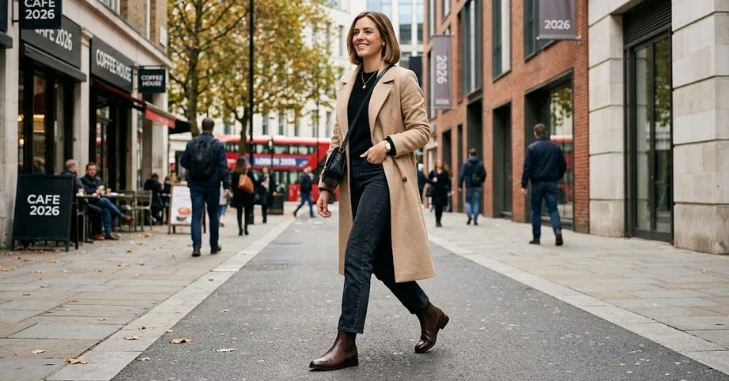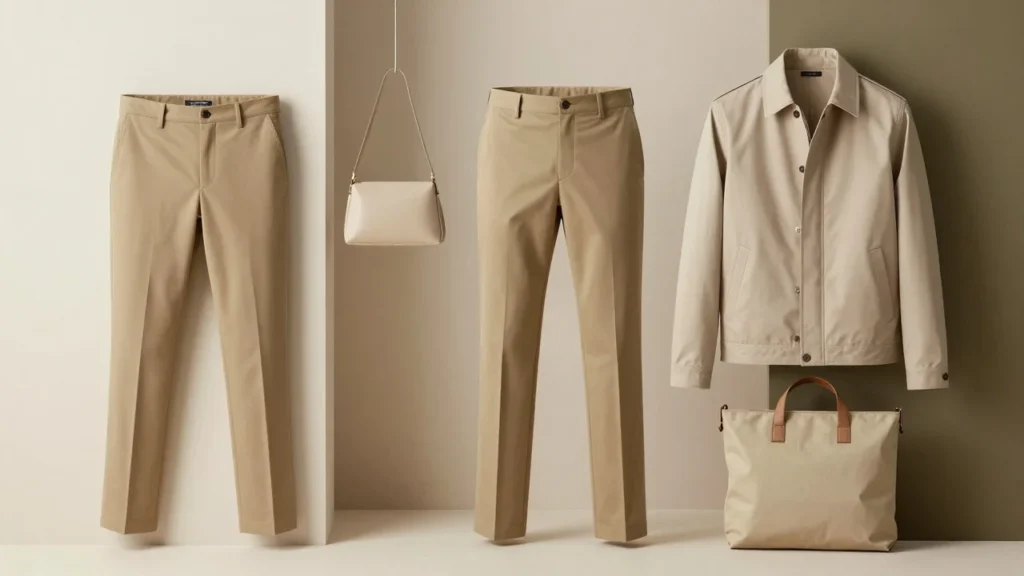

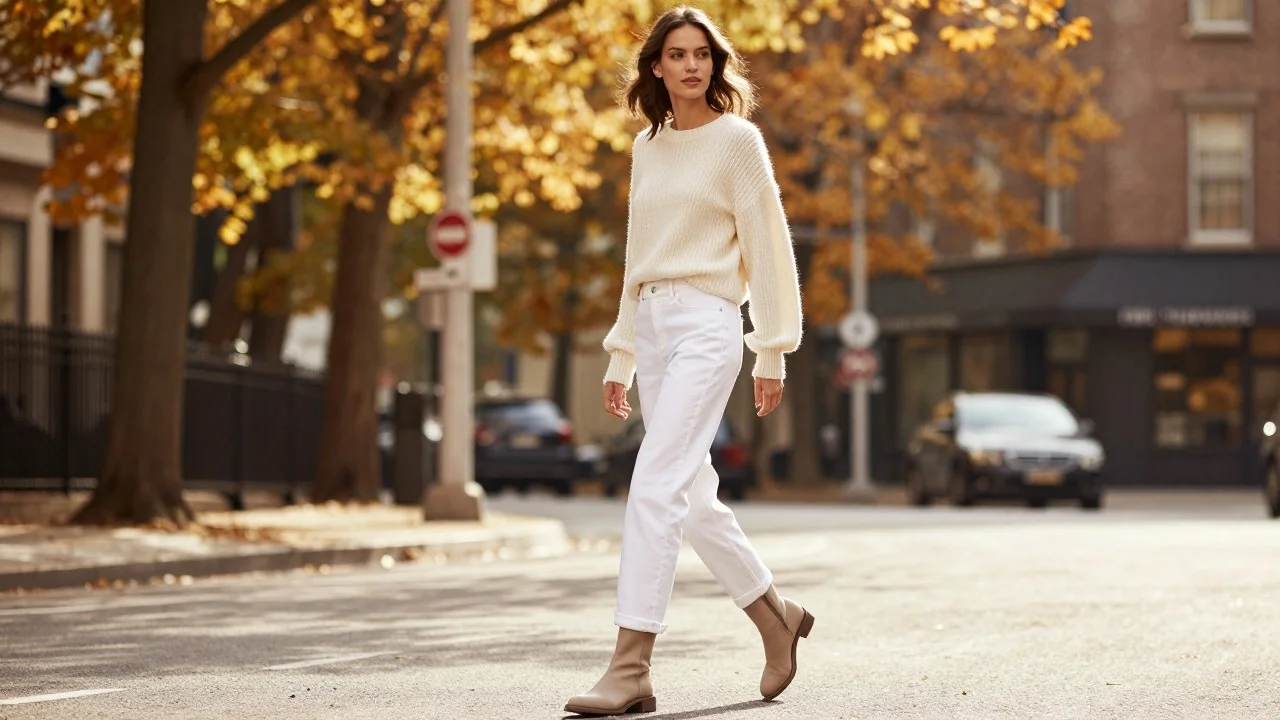
If you’ve ever wondered why can’t you wear white after Labor Day, the useful answer is that you can. The rule is a leftover from an era when American wardrobes changed more sharply with the social season.
Short answer: You can wear white after Labor Day. The old U.S. rule grew from early-20th-century seasonal dressing, social customs, and practical concerns about keeping light clothing clean. Modern etiquette and fashion guidance no longer treat the date as a hard cutoff. Today, fabric, weather, and occasion matter more than color. For the full picture, read Best Shoes for Standing All Day.
| Question | Practical answer |
|---|---|
| Can you wear white after Labor Day? | Yes. Modern etiquette does not ban it. |
| Where did the rule come from? | Seasonal dressing, summer leisure, social customs, and practical concerns all contributed. |
| Was it a class rule? | Class signaling is one major theory, though historians do not point to one proven origin. |
| What matters now? | Fabric weight, weather, shoes, layers, and the occasion. |
| Easy fall whites | White denim, ivory knits, wool, cashmere, structured cotton, and cream outerwear |
| Labor Day 2026 | Monday, September 7, 2026 |
Key takeaways
- There is no modern fashion requirement to stop wearing white in September.
- The old custom reflected both seasonal wardrobes and social expectations.
- White denim, sweaters, coats, and structured pieces can work through fall and winter.
- Lightweight linen and beachwear may still look summery, especially in cooler climates.
- Your local weather should influence the outfit more than the date on the calendar.
Why Can’t You Wear White After Labor Day? The Rule’s Real Origins
There is no single documented person who invented the rule. Fashion historians generally connect it with American seasonal dress during the late 19th and early 20th centuries.
Labor Day became a legal national holiday in 1894. Congress designated the first Monday in September for the holiday. That timing helped make it a convenient marker between summer leisure and the return to work, school, and city life.
Summer white marked a seasonal change
In the early 1900s, affluent Americans often left cities during summer for seaside or mountain destinations. The Emily Post Institute explains that lighter, whiter resort clothing replaced formal city wardrobes during this period.
After Labor Day, people returned to town and changed back into more formal clothing. The seasonal shift eventually became condensed into the familiar “no white after Labor Day” guideline.
That history also helps explain why breezy linen, white dresses, and resort clothes still feel closely tied to summer.
For ideas built around warm-weather fabrics, Styleliza’s 4th of July outfit guide shows how white pieces work with breathable summer basics.
Class may have helped turn a custom into a rule
Another explanation centers on status.
During the Gilded Age and the decades that followed, white clothing became associated with leisure. Keeping a pale outfit spotless was easier if your day did not involve factory work, manual labor, or dirty city streets.
Fashion historian Valerie Steele has also discussed etiquette rules as a way established social groups could separate insiders from people trying to enter their circles. TIME and HISTORY both note this class-based theory.
The evidence does not support reducing the rule to class alone. Seasonal practicality mattered too.
White was practical in summer and less practical in fall
Before air conditioning, people often wore light-colored clothing and lightweight fabrics during hot months. White also made sense for tennis, resorts, and other summer activities.
Autumn brought rain, mud, darker city streets, and heavier clothing. Pale summer fabrics became harder to keep clean and less useful as temperatures dropped.
Vogue notes that dirty streets and changing transportation conditions helped shape the old preference for darker city clothing.
Does the No-White Rule Still Apply?
No.
The Emily Post Institute now says white can be worn throughout the year. Its modern advice focuses on choosing clothing appropriate for the weather, season, and occasion rather than following a color cutoff.
Fashion publications take the same position. Vogue treats the rule as outdated and recommends changing fabrics and silhouettes rather than giving up white.
The advice remains current in 2026. Stylist Chelsea Volpe recently recommended fall whites in substantial materials, including cashmere and corduroy, paired with shades such as chocolate brown and burgundy.
You can find more seasonal dressing ideas in Styleliza’s Fashion section.
How to Wear White After Labor Day Without Looking Stuck in Summer
The easiest approach is to make the texture and supporting pieces match the season.
You do not need a different color. You need an outfit that feels appropriate for the temperature and setting.
| Summer combination | Fall or winter update | Why it works |
|---|---|---|
| White linen pants + tank | White denim + knit sweater | Denim and knit add weight |
| White eyelet dress + sandals | Cream knit dress + boots | Closed shoes and texture signal cooler weather |
| White tee + shorts | White shirt + dark trousers + coat | Tailoring moves the look away from beachwear |
| Straw bag + white dress | Suede bag + ivory dress | The accessory changes the seasonal feel |
A few easy formulas work across much of the United States:
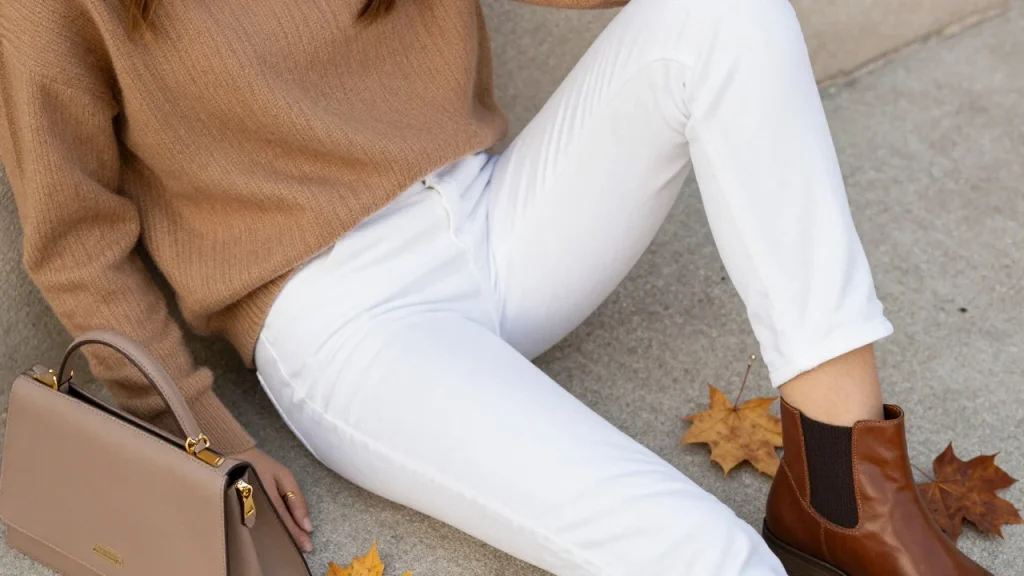
- Pair white jeans with a camel sweater and brown loafers.
- Wear an ivory knit with dark denim and suede ankle boots.
- Combine a crisp white shirt with chocolate trousers and a trench coat.
- Add burgundy, forest green, navy, or charcoal to a cream outfit.
- Use wool, denim, leather, suede, or heavier cotton to add seasonal texture.
Pure white is not your only option. Cream, ecru, ivory, oatmeal, and soft off-white can create a warmer look during colder months.
Can You Keep Wearing White Jeans?
Yes. White denim may be one of the easiest white pieces to keep in rotation.
Denim already has enough structure to work beside sweaters, jackets, loafers, and boots. The styling around the jeans determines whether the outfit reads as July or October.
Try straight white jeans with a forest-green sweater, tan belt, and loafers. Another option is an ivory pair with a navy blazer and dark sneakers.
Muted green footwear also works well against white denim. Styleliza’s guide to styling green sneakers with everyday outfits covers olive, sage, forest, and brighter shades.
The piece you may want to store is thin white linen designed for intense summer heat. Even then, climate matters.
Bright White vs. “Winter White”
“Winter white” is a style term rather than a strict color standard.
It usually describes warmer pale neutrals such as cream, ivory, ecru, and soft beige-white. These colors pair naturally with wool, cashmere, suede, and other cold-weather textures.
Bright optic white can still work during winter. Try it with black, charcoal, chocolate, navy, burgundy, or camel to create stronger contrast.
A white cotton button-down under a dark sweater is seasonless. A white wool coat can also look completely at home in January.
The old rule was never proof that the color itself becomes unsuitable after September.
Your Climate Matters More Than the Calendar
September does not feel the same across the United States.
A person in Miami may still need linen and sandals after Labor Day. Someone in northern New England may already want sweaters and closed shoes.
The Emily Post Institute specifically notes that post-Labor Day white makes sense in places where September remains hot. Its advice is to dress for actual conditions. More from us: White Tie Dress Code.
That gives the old guideline one useful modern update: dress seasonally for where you are, not for an arbitrary date.
For 2026, Labor Day falls on Monday, September 7, according to the U.S. Office of Personnel Management’s federal holiday schedule.
Wear the Clothes, Not the Old Rule
The simplest modern approach is to keep the white pieces that still make sense for your weather. Choose one white or cream item from your closet. Add a fall texture, a darker color, and season-appropriate shoes. That small change can take a favorite piece from late summer into October, winter, and beyond.
Frequently Asked Questions
The custom reflected an older seasonal wardrobe system. Summer white clothing was associated with resorts, warm weather, and leisure. After Labor Day, people returned to cities and changed into darker, heavier clothing. Social status and practical concerns about dirt also influenced the tradition.
As long as you want. There is no modern etiquette cutoff. Choose fabrics, layers, and footwear that fit the weather and occasion.
Yes. White sneakers, loafers, boots, and other footwear can work year-round. Pair them with fabrics and colors that suit the season.
Not necessarily. If September is still hot where you live, linen can remain practical. In colder weather, white denim, wool, knitwear, or structured cotton may feel more natural.
Labor Day is Monday, September 7, 2026, in the United States. The holiday is observed on the first Monday in September.