
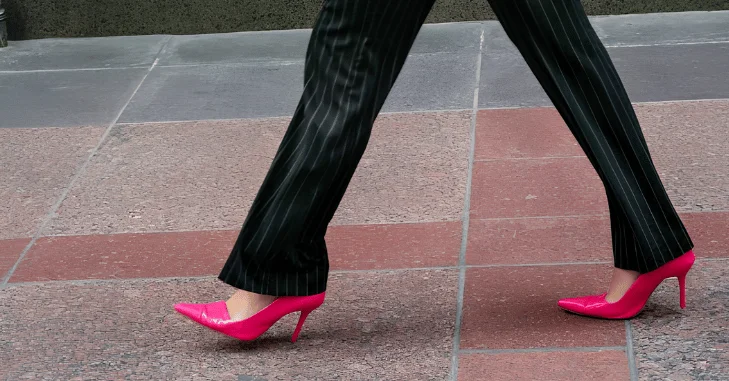
Choosing work heels is less about finding the highest or dressiest pair. The right shoes should match your office, commute, wardrobe, and expected walking. A stable shape, secure fit, and sensible height usually matter more than trends.
For most U.S. offices, low block pumps and kitten-heel slingbacks offer the easiest balance. They look polished with trousers, skirts, and dresses without feeling overly formal. Your best choice still depends on your feet and daily schedule.
Quick answer: A practical office heel usually has a low-to-moderate height, stable base, secure upper, and enough toe room. Block pumps work for most dress codes, while kitten heels suit lighter outfits. Choose cushioning and fit before extra height, especially when commuting or standing often.
| What to consider | Practical starting point | Why it matters |
|---|---|---|
| Height | Low to moderate | Reduces the steepness of your foot position |
| Base | Block or wider heel | Feels steadier during walking |
| Toe area | Enough natural room | Helps reduce pinching and pressure |
| Upper | Secure without rubbing | Limits sliding inside the shoe |
| Cushioning | Noticeable forefoot padding | Makes hard office floors easier |
| Color | Black, brown, navy, beige, or burgundy | Works with more office outfits |
| Commute | Match the shoe to walking distance. | A desk day differs from a subway commute. |
7 Work Heels Styles Worth Considering
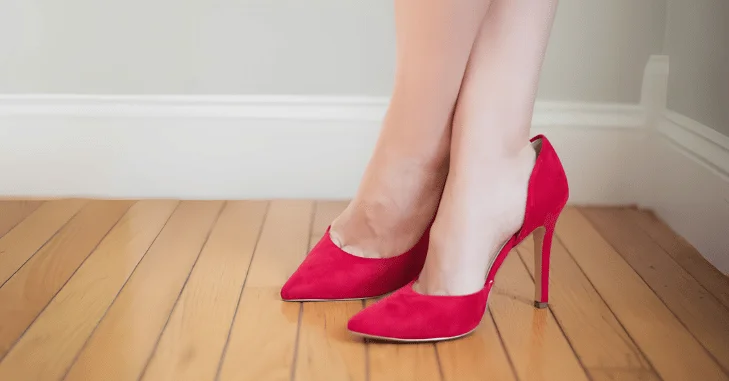
1. Low block pumps: the best all-around choice
A low block pump is the safest starting point for many professional wardrobes. Its broader base usually feels steadier than a narrow stiletto. A simple upper also works across conservative and business-casual dress codes.
Choose black, dark brown, navy, or a neutral close to your usual palette. A rounded or almond toe can feel less restrictive than an aggressive point. Styleliza’s Comfortable Heels guide offers more fit-focused advice for longer wear.
Pros.
- Stable shape for typical office movement
- Easy to pair with tailored clothing
- Available across many price levels
Cons.
- Chunkier versions can look heavy.
- Poorly placed seams may still cause rubbing
- Fit varies significantly between brands
2. Kitten-heel slingbacks: best for lighter office looks
Kitten-heel slingbacks give tailored outfits a softer visual line. They work especially well with ankle trousers, midi skirts, and simple dresses. The lower profile also makes them useful for meetings and desk-focused days.
Look for a back strap that stays secure without digging into your skin. The front should hold your foot without squeezing your toes together. A wider heel tip can add stability while keeping the silhouette refined.
Pros.
- Polished without looking overly formal
- Pairs easily with skirts and trousers
- Lower height suits many office routines
Cons.
- Loose slingback straps can slip.
- Narrow toe shapes may create pressure
- Open backs provide less containment
3. Rounded-toe pumps: best for classic dress codes
Traditional pumps remain useful in offices that lean more formal. A rounded or almond-shaped front can soften the usual corporate appearance. It may also provide more usable space than sharply pointed designs.
Keep decorative details restrained if your workplace has conservative expectations. Smooth leather and simple hardware usually move easily between meetings and after-work plans. A clean pump can also complement the polished black dress combinations covered elsewhere on Styleliza.
Pros.
- Appropriate for many formal workplaces
- Easy to coordinate with suits
- Less trend-dependent than statement footwear
Cons.
- Some designs lack useful cushioning
- Narrow versions may pinch the forefoot
- Higher versions become tiring faster
4. Low-heeled loafers: best for business casual
A heeled loafer combines a familiar office shape with modest added height. It looks especially good with straight trousers, pleated pants, and midi skirts. The covered upper can also feel practical during cooler U.S. seasons.
Choose a streamlined sole when you want a dressier result. A heavier tread shifts the shoe toward relaxed business casual. Styleliza’s Chunky Loafers guide explains how sole weight changes an outfit’s proportions.
Pros.
- Easy transition between formal and relaxed pieces
- Secure upper compared with open-back styles
- Useful across several seasons
Cons.
- Heavy soles can dominate slim outfits
- Firm leather may require break-in time
- Some pairs feel bulky under narrow trousers
5. Mary Jane pumps: best for secure fit
Mary Jane styles add a strap across the foot, which can limit unwanted movement. That extra security helps when ordinary pumps slip at the heel. The shape can work with trousers, dresses, and skirts.
For professional outfits, choose clean lines and restrained hardware. Thin or medium-width straps usually look lighter than oversized buckles. Dark neutrals create the most traditional effect, while burgundy adds controlled color.
Pros.
- The strap helps hold the foot securely
- Distinctive without being difficult to style
- Works well with dresses and skirts
Cons.
- Strap placement can create pressure
- Bold versions may feel too casual
- The look may not suit every formal workplace
6. Low wedges: best when stability comes first
A low wedge supports the rear of the foot across a larger surface. That construction can feel more stable than a narrow heel during routine walking. Clean closed-toe versions can work in many business-casual offices.
Avoid assuming every wedge is comfortable because of its shape. A stiff sole, poor fit, or narrow front can still cause problems. Walk naturally in the pair before deciding whether its stability works for you.
Pros.
- Broad support under the rear foot
- Stable choice for moderate walking
- Works with trousers and many dresses
Cons.
- Some shapes appear bulky
- Rigid soles can feel awkward
- Not ideal for every conservative dress code
7. Heeled ankle boots: best for cooler months
A streamlined ankle boot can replace a pump during fall and winter. Choose a moderate heel and a shaft that sits cleanly under your trousers. Smooth leather usually reads more professional than exaggerated hardware or heavy tread.
Black, chocolate brown, and burgundy are flexible choices for U.S. work wardrobes. Pair them with tailored pants, midi skirts, or simple knit dresses. Styleliza’s Chelsea Boots guide covers additional ways to make ankle footwear office-friendly.
Pros.
- Useful in cooler weather
- Provides more foot coverage
- Works with dresses and trousers
Cons.
- Warm for summer offices and hot climates
- Shaft height must work with trouser hems
- Heavy soles can make outfits look casual
How to Choose Work Heels for Your Actual Workday
Start by calculating how much time you spend walking and standing. A parking-garage commute differs from several subway transfers and long city blocks. Your schedule should determine the shoe before your outfit does.
Next, check the front of the shoe while standing naturally. Your toes should not feel compressed or forced into an uncomfortable position. Mayo Clinic notes that high or narrow footwear can increase pressure around the forefoot.
Finally, test stability on the flooring you encounter most often. Walk, turn, stop, and climb a few steps before committing. A pair that feels uncertain during five minutes rarely improves during eight hours.
What Heel Height Makes Sense for the Office?
There is no single ideal height for every person. Foot shape, experience, walking distance, and shoe construction all change how a pair feels. Lower options are usually the more practical choice for extended wear.
Higher footwear shifts more pressure toward the front of the foot. Mayo Clinic identifies high-heeled and poorly fitting shoes as factors associated with forefoot pain. Persistent pain is a reason to reconsider the shoe rather than tolerate it.
If you like visible height, compare the full construction instead of reading one measurement. A supportive platform can change the effective slope of a shoe. Still, stability and fit should guide the final decision.
Match the Shoe to Your Office Dress Code
Traditional corporate offices usually favor clean pumps, restrained slingbacks, and polished loafers. Keep colors controlled and avoid details that compete with tailored clothing. Black, navy, brown, and muted neutrals remain easy choices.
Business-casual workplaces allow more flexibility with Mary Janes, ankle boots, or subtle wedges. Pair them with relaxed tailoring, knitwear, or dark denim where permitted. Styleliza’s Casual Outfits guide provides useful formulas for less formal workplaces.
Creative offices give you more space for color, texture, and unusual silhouettes. Even there, the pair should still handle the demands of your day. Professional style loses its value when footwear makes normal movement difficult.
Easy Office Outfit Formulas
Start with tailored trousers, a fine knit, and a low block pump. This combination feels professional without depending on a matching suit. A structured tote or simple belt can finish the outfit.
For a softer look, pair a midi skirt with a tucked blouse and kitten-heel slingbacks. Keep one part of the outfit structured so the result remains office-ready. A blazer can add that structure when needed.
For colder weather, try straight trousers, a fitted sweater, and heeled ankle boots. Let the trouser hem meet the boot cleanly without heavy bunching. A long coat creates an easy commuting layer outside the office.
A Practical Verdict
For most shoppers, a low block pump is the strongest first choice. It works across more dress codes than trend-driven styles and provides a broad base. Choose a shape with enough toe room and useful cushioning.
A kitten-heel slingback is the strongest second option for lighter outfits. Low-heeled loafers make sense when your office leans business casual. Keep a flatter commuting shoe available if your route involves substantial walking.
Your office wardrobe does not need several similar pairs. One dependable neutral shoe and one lighter alternative may cover most professional situations. Add another style only when it solves a different seasonal or dress-code need.
Frequently Asked Questions
What are the best work heels for all-day wear?
Low block pumps are a practical starting point because their wider base feels stable. Kitten-heel slingbacks and low wedges can also work for many people. Fit, toe room, cushioning, and your walking distance remain more important than the style name.
Are block pumps more comfortable than stilettos?
They often feel steadier because the heel base is broader. Comfort still depends on height, fit, cushioning, and the shoe’s front shape. A badly fitted block design can remain uncomfortable.
Can you wear open-back shoes to an office?
Yes, many business-casual workplaces allow refined slingbacks or mules. More conservative employers may prefer fully closed footwear. Check your organization’s dress code before treating any style as universally appropriate.
Should office shoes match your bag?
They don’t need to match exactly. Repeating a color family can create a coordinated look without appearing overly planned. A neutral bag also works with colored footwear.
What should you do if office footwear causes foot pain?
Stop treating persistent pain as a normal part of dressing professionally. Try a lower, roomier, better-fitting option and reduce wear time. Seek medical advice when pain persists or affects normal walking.
Build Your Office Shoe Rotation Around Real Life
A useful professional shoe should support the day you genuinely have. Start with your commute, dress code, standing time, and most-worn clothes. Those details narrow the choices faster than a trend list.
Buy the pair that succeeds during walking, standing, and outfit testing. Keep comfort and movement ahead of extra height or decorative details. The result will be a smaller, more useful office shoe rotation.